
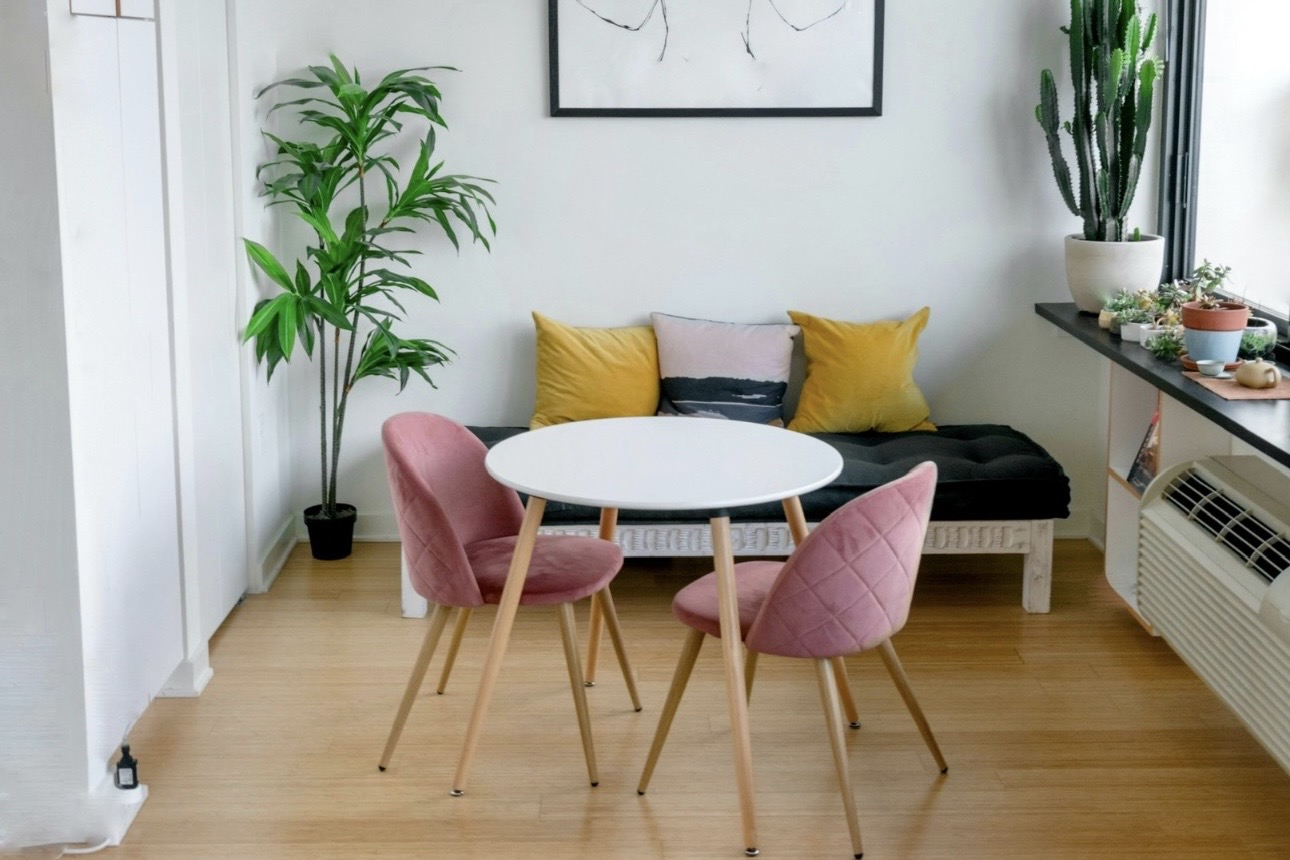
Whenever I stay at an Airbnb, I don’t walk in looking for problems. I’m usually arriving after travel, carrying bags, mentally tired, ready to settle in. What I want in that moment is simple. I want to put my things down and not have to think about the space.
If everything feels in order, I barely notice it. I just relax.
But if something feels off, even slightly, it stands out right away.
That realization shaped how I designed my own guest house. With self check-in, there is no greeting to smooth over a rough first impression. The space has to communicate that it is ready, clean, and prepared from the moment the door opens.
Cleanliness Is the First Expectation
Guests do not actively scan for dirt or odors when they walk in. They simply expect the space to feel clean. If it does, their mind moves on. If there is a visible smudge, a stale smell, or something that looks worn and neglected, it interrupts that first moment of rest.
Travel already requires enough mental energy. When someone enters a guest house, especially one located on another person’s property, they should not have to question whether it was properly prepared. Obvious care and maintenance allow them to settle immediately.
The goal is not perfection. It is clarity. The space should clearly feel ready.
A Space That Feels Intentional, Not Overfilled
I have stayed in places that were technically clean but still felt busy. Shelves filled with decorations, walls covered with multiple pieces of art, small objects placed on every surface. Nothing was wrong, but the room required effort to take in.
After travel, most people are not looking for stimulation. They are looking for relief. A guest house should feel calm, not crowded.
When I designed my unit, I kept it minimal because that is how I prefer to live. Open walls and uncluttered surfaces create breathing room. The space feels easier to process. Guests can enter, set their bags down, and settle without visual distraction.
Minimal does not mean empty. It means deliberate. Each item has a purpose. Nothing is there just to fill space.
Natural Light Makes the Space Feel Open and Ready
Natural light plays a large role in how a guest house feels when someone first walks in. A room filled with daylight feels open and transparent. Guests can immediately see the condition of the space without turning on multiple lights. That visibility reinforces cleanliness and removes uncertainty.
In a detached guest house, privacy still matters. That is why I use light-filtering blinds rather than heavy curtains during the day. They allow natural light to enter while maintaining privacy from outside. The room feels bright but not exposed.
Good natural lighting also reduces effort. Guests are not searching for switches or adjusting lamps just to feel comfortable. The space already feels usable the moment they step inside.
After travel, that simplicity matters. A bright room feels ready.
Natural Elements Make the Space Feel Comfortable
A guest house can be spotless and still feel cold if everything is gray and white. Too many hard surfaces and neutral tones can make a room feel more staged than lived in.
Most guests are not consciously expecting plants. What they are expecting is comfort. Natural tones and greenery help create that without adding clutter. Even artificial plants soften the room and break up flat surfaces. The green color adds contrast and keeps the space from feeling sterile.
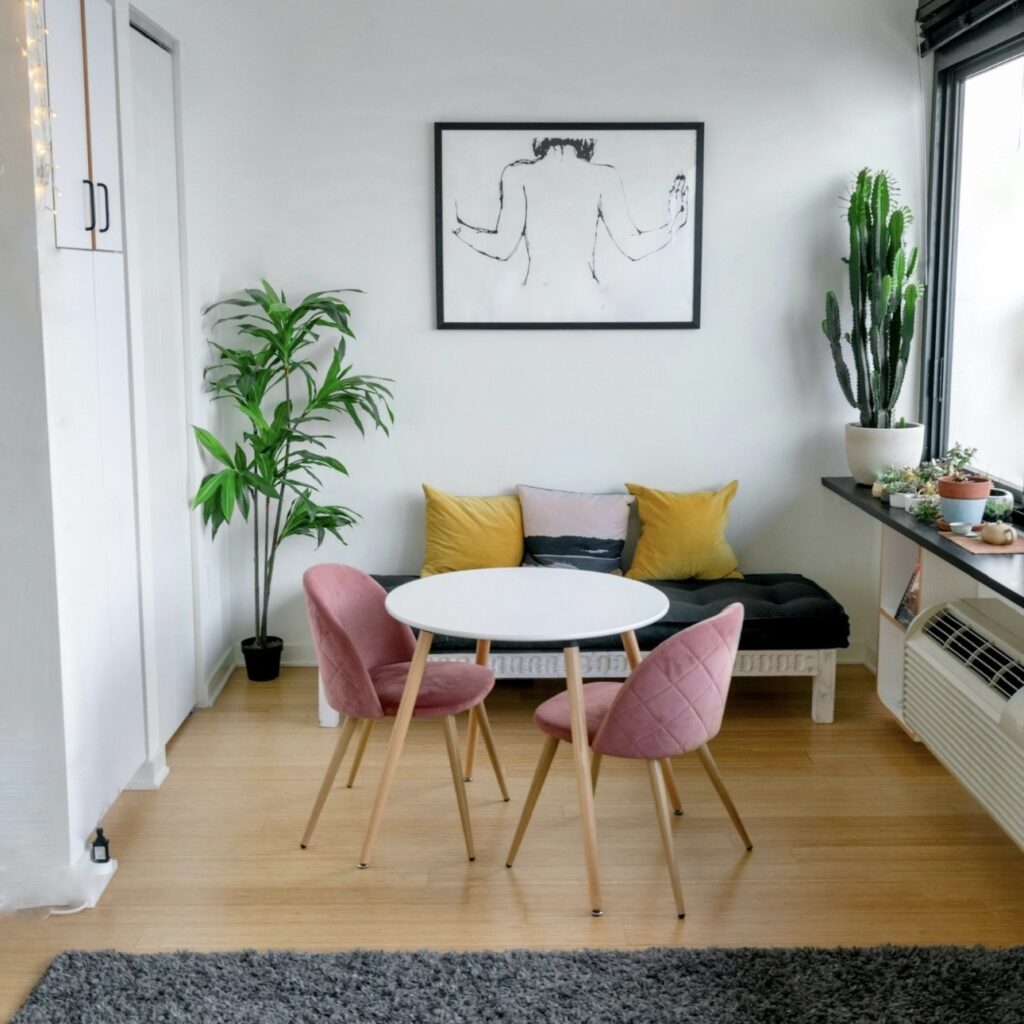
In my own unit, I focused on incorporating colors found in nature rather than layering decorative items everywhere. The accent wall gives the room character, but the natural elements keep it grounded. The space feels intentional without feeling overdesigned.
Guests may not identify these details directly, but they feel the difference. A room with natural elements feels easier to settle into.
Clear Labels and Easy Navigation
When guests enter a self check-in guest house, they should not have to figure anything out. They should not be guessing which switch controls which light or searching for instructions on how to use basic features.
Clear labels and straightforward organization remove friction immediately. The less a guest has to think, the faster they can unwind.
After travel, mental fatigue is real. A well-prepared space reduces decisions instead of adding them. That ease becomes part of the first impression.
Small Gestures Reinforce That the Space Is Prepared
A neatly arranged coffee and tea station, a small snack, or a short welcome note may seem minor, but they change how the space is interpreted. They show that the unit was intentionally prepared for someone’s arrival.
In a guest house setting, where guests are stepping onto someone’s property, those small gestures reinforce that the space is clearly designated for hospitality. It does not feel like an extra room. It feels ready.
When guests first enter your Airbnb guest house, they are not analyzing design details. They are deciding whether they can relax. If the space feels clean, intentional, bright, and easy to use, they stop thinking about it and begin focusing on rest. Designing for that moment makes the rest of the stay smoother for both the guest and the host.